
The latest episode of the 2 For Talking podcast was supposed to be a normal recording. Instead, it turned into the kind of day Pittsburgh sports fans will remember because multiple major storylines collided at once.
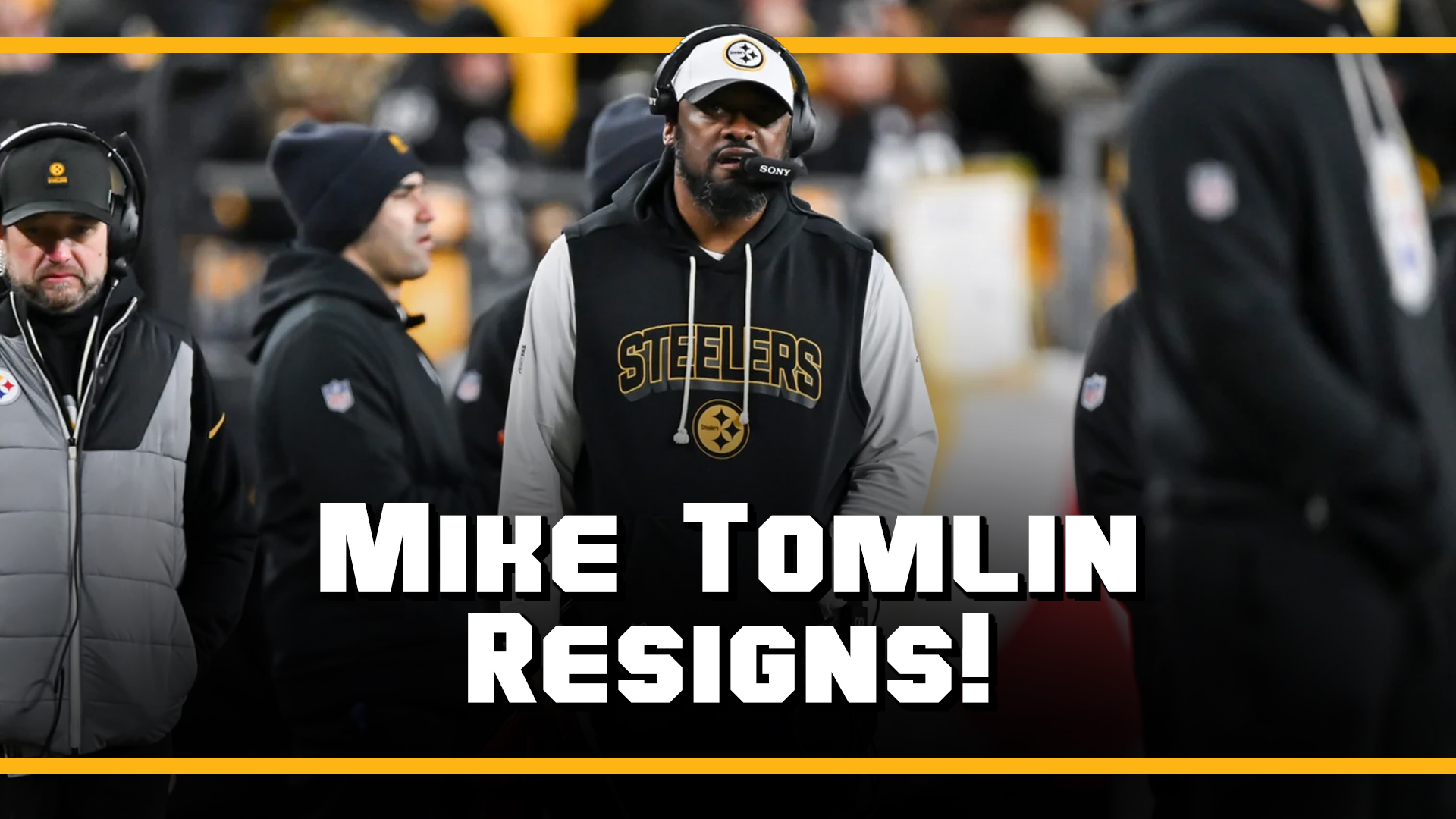
The biggest headline is clear: Mike Tomlin is out as head coach of the Pittsburgh Steelers. At the same time, the Penguins are dealing with another serious challenge as Erik Karlsson lands on injured reserve, forcing the team to rethink roles and responsibilities at a critical point in the season.
It is equal parts shock, frustration, and a familiar Pittsburgh sense of caring deeply even when the results keep letting you down.
Tomlin Out: Shock, Respect, And A Hard Truth
The hosts react with genuine surprise that the Tomlin era has ended. They note that the initial reporting frames it as a resignation, while also acknowledging how pro sports sometimes uses language that softens what may have been a firm decision behind the scenes.
Even with years of criticism, they make a point to recognize what Tomlin accomplished.
They highlight his early run in Pittsburgh as special, including a Super Bowl win and another appearance. They describe that stretch as a period where the Steelers did not miss a beat after the Cowher transition and remained one of the league’s most consistent regular season teams.
But the core argument is that it was time to move on. The hosts believe the Steelers were stuck in a familiar loop: decent regular seasons followed by postseason frustration, with a style of play that rarely translated when the competition tightened.
Why It Felt Like The End Was Coming
One of the more interesting parts of the discussion is how they describe subtle signals from the game itself. They mention moments where Tomlin appeared to be taking in the atmosphere differently, like someone who might already know what was coming. They also point to commentary during the broadcast that made them wonder if media voices sensed something too.
Whether those moments were real clues or just hindsight, the hosts agree on one thing: almost nobody truly expected it to happen like this.
What Comes Next: The Rooney Spotlight And A Massive Decision
The conversation shifts quickly to the next step, and with it, the anxiety.
They frame the coaching hire as one of the most important decisions the franchise has made in decades. That puts the Rooney family and leadership group squarely in the spotlight because this hire will define the direction of the team for years.
They also wrestle with what kind of coach makes sense in 2026. The hosts strongly suggest the Steelers should consider an offensive minded head coach, someone who can modernize the system and build a more coherent identity on that side of the ball.
The Quarterback Problem That Changes Everything
The biggest obstacle, in their view, is quarterback.
They do not see Mason Rudolph as the answer, and they are skeptical that an aging Aaron Rodgers would be a true solution even if he returned. The key point is that elite offensive coaching candidates often want a clear plan at quarterback, and right now the Steelers do not have one.
In other words, the Steelers job is prestigious and stable, but it is not automatically attractive if the most important position remains uncertain.
The Tomlin Critique: Staff, Conservatism, And Playing Not To Lose
A large chunk of the episode revisits what the hosts consider the defining issues of the late Tomlin years.
They argue Tomlin’s biggest flaw was staffing. In their view, the Steelers did not have the coaching depth you expect from a true contender, and they compare it unfavourably to earlier eras when Pittsburgh seemed to produce stronger assistants and more credible coordinators.
They also criticise the team’s tendencies toward conservative decision making: settling for field goals, running into predictable patterns, and coaching with fear rather than aggression. Even when they admit the opponent may have been physically better, they still believe the Steelers repeatedly made life harder with cautious choices.
Penguins: Kevin Hayes Frustration Reaches A Boiling Point
After the Steelers discussion, the episode pivots hard to the Penguins, and the tone becomes sharply critical of lineup decisions.
Kevin Hayes becomes the main lightning rod. The hosts separate the person from the player, saying they like him and believe he is respected in the room, but they do not believe he should be used in a top six role and they are frustrated by what they view as unnecessary tinkering.
Their wider argument is simple: when you are in a playoff race, you cannot keep prioritizing comfort or sentiment over the best options on the ice, especially if younger players might provide more energy and upside.
Erik Karlsson To IR: A Threat To The Season
Then comes the part they treat as the most dangerous development for the Penguins.
Erik Karlsson goes on injured reserve and will be evaluated in two weeks. The hosts emphasize the difference between being evaluated and being ready. It is uncertainty, and uncertainty is the enemy when you are trying to hold playoff position.
They argue Karlsson has been one of the Penguins most important players this season, possibly second only to Sidney Crosby in overall impact. They describe him as a driver of offence, a one man breakout at times, and a player whose subtle positive plays add up across a full game.
Without him, they expect more pressure to fall on Kris Letang, including power play duties and heavier minutes. They are not convinced the Penguins can replace Carlson’s puck moving and creativity, and they worry the team will struggle to generate offence at five on five.
A Bright Spot: Blake Lizotte And Fourth Line Identity
Amid the criticism, the hosts praise the Blake Lizotte extension. They like his compete level, his role acceptance, and the idea of rewarding players who play hard every night without needing top line status.
They also broaden that into a team building point: strong fourth lines are built on hungry players who embrace their jobs, not veterans who carry expectations that do not match their current impact.
Geno’s Future: Run It Back Or Turn The Page
The episode also explores Evgeni Malkin’s future. The hosts suggest he wants to stay in Pittsburgh and would consider a reduced role and reduced salary to do it.
They debate both sides:
One side says he has earned the right to stay, and replacing his production is not simple.
The other side says the team eventually has to get younger, and if the Penguins want to truly contend again, they may need to invest in a higher end second line centre while Malkin transitions to a smaller role.
They also point out that accepting a smaller role in theory and thriving in it are not the same thing, especially for a player whose game has never been built around being a shutdown forward.
The Mood: From Gut Punch To Opportunity
By the end, the episode feels like Pittsburgh sports in a nutshell.
One day you are carrying the weight of a playoff loss. The next you are hit with franchise changing news. Then you look at the Penguins and realize they are also walking a tightrope with injuries and decisions that could swing the season.
It is messy and emotional, but it also feels like a reset. A new chapter for the Steelers is beginning, and the Penguins are being forced to prove whether their progress is real even when key pieces disappear.